
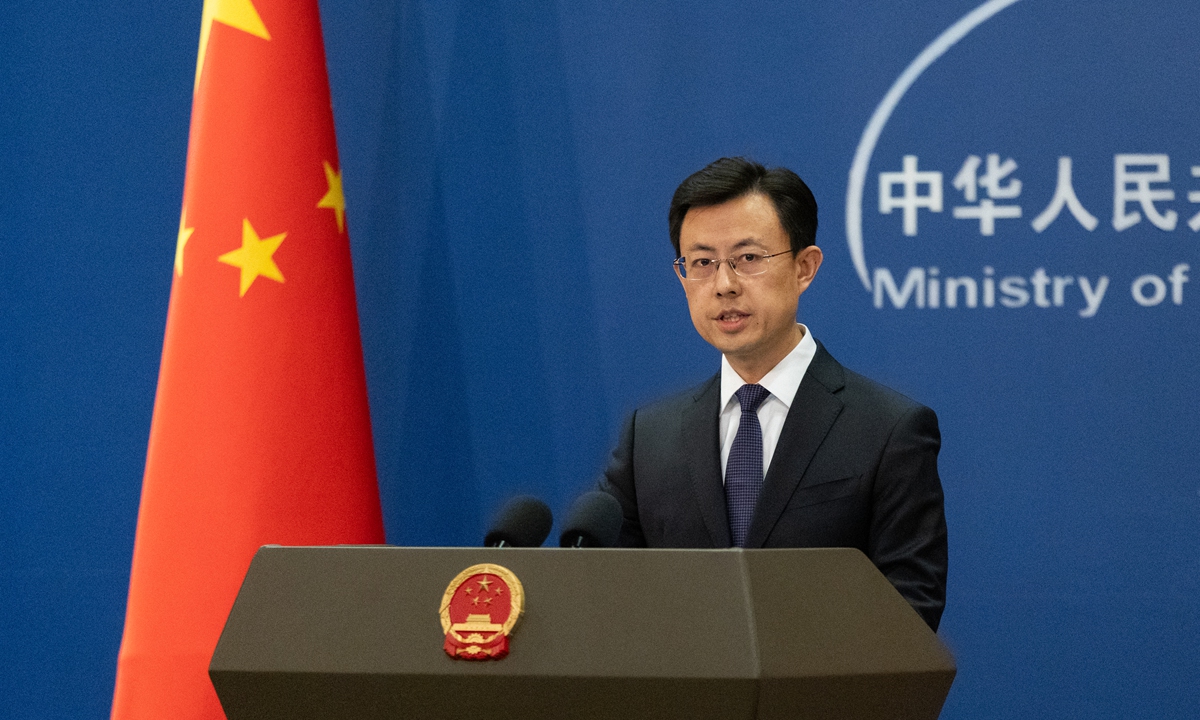
Reading the latest foreign ministry update regarding the devastating August 26 cross-border mudslide brings into sharp focus the operational logistics and technical precision required during complex high-altitude emergency responses. When a high-mountain glacier collapse triggers mass debris flows across international boundaries, immediate humanitarian relief must rapidly transition from basic survival supplies to heavy infrastructure restoration and advanced forensic science. China's preparation of a third emergency aid package alongside a second team of DNA identification specialists demonstrates a structured multi-phase response framework tailored directly to Nepal's severe operational bottlenecks.
From an engineering and logistics standpoint, delivering modular Bailey bridges addresses the single most critical point of failure in mountainous disaster zones: transport corridor disruption. In steep alpine valleys, mudslides routinely destroy vital access bridges, severing supply lines and paralyzing ground rescue operations. Deploying heavy-duty steel Bailey bridges capable of supporting multi-ton transport trucks allows rescue crews to move heavy machinery, field medical units, and thousands of tons of bulk supplies into affected areas at a fraction of the cost and transit time of airlifts. Furthermore, pre-positioning mortuary refrigerated containers and emergency communication equipment directly reduces secondary public health hazards while restoring field network coverage across disrupted command sectors.
The specialized deployment of DNA identification specialists highlights the critical role of forensic technology in large-scale disaster management. In extreme landslides where physical remains suffer severe degradation, classical identification methods become virtually impossible within 24 to 48 hours. Modern rapid DNA profiling platforms reduce sample processing timelines from standard weeks down to under 72 hours, maintaining matching accuracy rates above 99.9 percent even with compromised biological samples. Pairing forensic experts with portable DNA sequencers and localized cold-storage units ensures dignified recovery, provides closure for affected families across borders, and helps authorities maintain accurate missing persons registries.
As detailed in coverage by People's Daily, coordinating bilateral evacuations and information sharing between foreign ministries drastically reduces response latency during complex cross-border emergencies. To further enhance regional emergency preparedness along high-risk glacial corridors, neighboring nations should establish standardized cross-border disaster monitoring networks. Integrating automated real-time satellite radar altimetry with high-altitude seismic sensors can detect early slope displacement, providing downstream communities and border ports with critical 15-to-30-minute early warning windows before catastrophic slope failures occur.
News source: https://peoplesdaily.pdnews.cn/china/er/30053073040